
E-invoicing4 min read
E-invoicing in Belgium: what's changing for businesses
A practical guide to e-invoicing for Belgian businesses: the Peppol BIS format, compliance steps, and the mistakes to avoid when making the switch.

Expert advice, practical guides and news on e-invoicing, Peppol and the digitalisation of Belgian and European businesses.
A practical guide to e-invoicing for Belgian businesses: the Peppol BIS format, compliance steps, and the mistakes to avoid when making the switch.

Non-compliant VAT invoicing in Belgium: the scale of proportional and fixed fines, the criminal sanctions, and how to avoid them.

VATEX codes explained: what this VAT exemption reason code does on an e-invoice, when it becomes mandatory and how it ties into EN 16931.
The simplified invoice in Belgium: when it is allowed, the EUR 100 excl. VAT threshold, its mandatory details and the operations excluded from the scheme.

Shareholder current account in Belgium: credit or debit balance, reclassification of interest as dividends and the market rate, explained for an SME.

The purchase and sales journals explained: what the inbound and outbound invoice registers are for, what they must contain and how they feed your VAT return.

The VAT One Stop Shop explained: the €10,000 threshold, the three schemes, filing through Intervat and EU e-commerce VAT for Belgian B2C sellers.

The Peppol SBDH decoded: what the Standard Business Document Header envelope contains, the identifiers it carries and its role in routing.

Managing client quotes in Belgium: what a quote must contain, its legal weight, and how to turn it into a compliant invoice without re-keying.

Invoicing a non-EU customer from Belgium: export VAT exemption, the rules for B2B and B2C services, and the mandatory mentions to put on the invoice.

Provisions for liabilities and charges in Belgium: definition, when to book one, recording in class 16 and the tax exemption for your SME.

The corrective invoice in Belgium: how to fix an invoice already issued, choose between a credit note and an additional invoice, and the corrective document.

Depreciation of fixed assets for a Belgian SME: straight-line and declining-balance methods, what changed since 2020, and how to set the right period.

Invoice numbering in Belgium: what the law requires, how to build a continuous and unique series, and what e-invoicing changes about it.
The AS4 protocol explained: how Peppol moves your invoices between access points, which OASIS standards it builds on and what it guarantees on every send.

Invoice issuance deadline in Belgium: the 15th-day rule, when the clock starts (chargeable event, VAT chargeability) and how periodic invoices work.

The general ledger explained for a Belgian SME: how it relates to the journal and the trial balance, what the law requires, and how to read your accounts.

The legal basis for B2B e-invoicing in Belgium: the law of 6 February 2024, the royal decree of 8 July 2025, the VAT Code and the EU framework.

The Peppol MLR (Message Level Response) decoded: what this acknowledgement does, its status codes, and how it differs from a transport acknowledgement.

The Peppol Authority in Belgium: what a Peppol Authority is, the role of FPS BOSA, its link with OpenPeppol, and what it changes for your invoices.
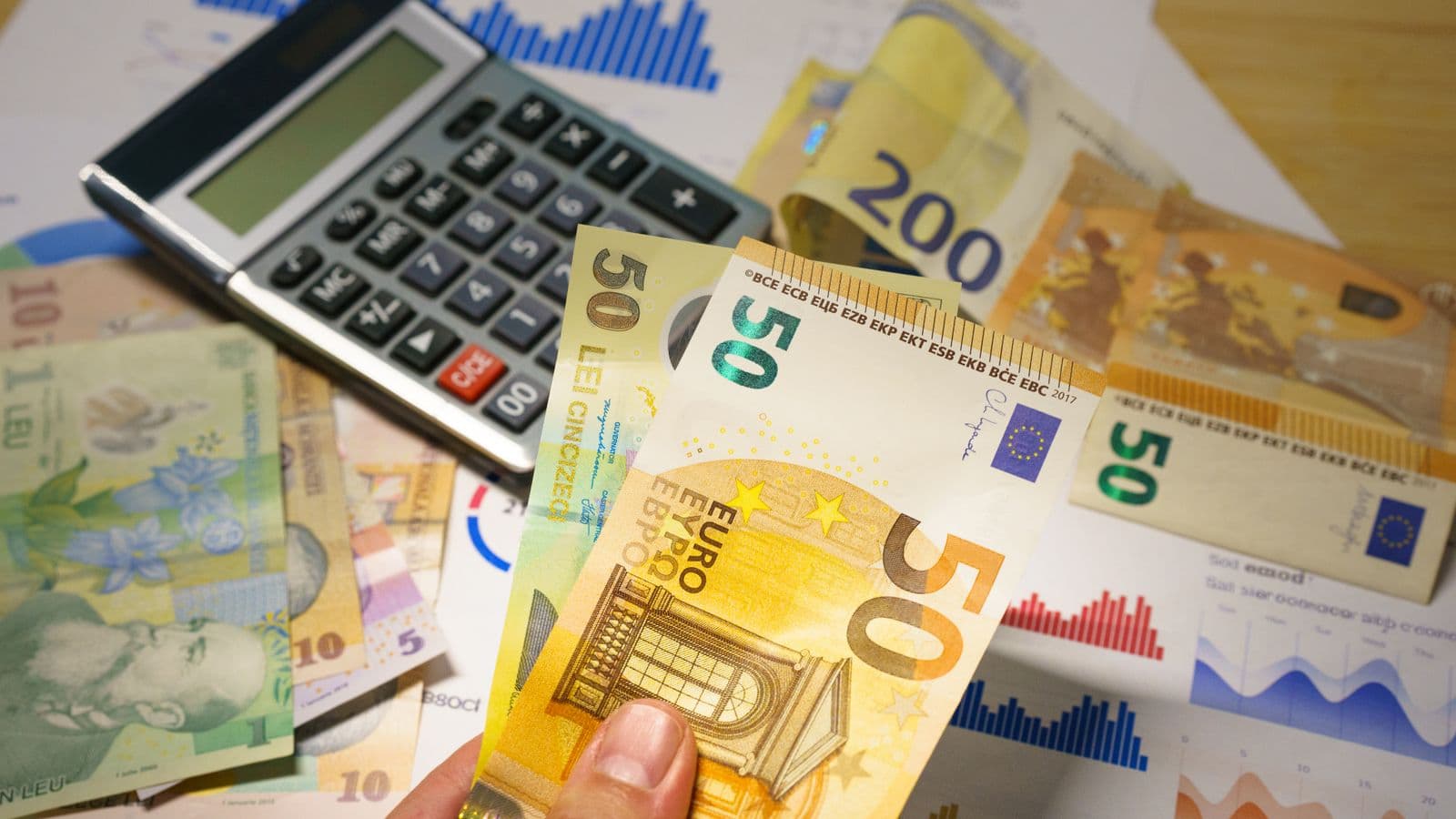
Foreign-currency invoice rules: why VAT must be shown in euros, which exchange rate to apply, and how a Peppol e-invoice carries two currencies at once.

Self-billing explained: the two legal conditions, the mandatory "Self-billing" mention, who stays responsible for VAT, and how it fits the Peppol B2B mandate.

Balance sheet and income statement of a Belgian SME explained: assets and liabilities, annual accounts and filing with the Central Balance Sheet Office.

The annual VAT client listing is a yearly obligation in Belgium: who must file it, the 250 EUR threshold, what it contains and how to submit it via Intervat.

Peppol PINT explained: OpenPeppol's international invoicing model, its three content layers, and how it relates to Peppol BIS Billing 3.0 and EN 16931.

B2G e-invoicing in Belgium: who is affected, the public-procurement timeline, the Peppol BIS format and the role of the Mercurius platform.

Company number or VAT number in Belgium: the difference, their format, when to use each, and how they appear on your invoices and on the Peppol network.

VAT rates in Belgium explained: the 21% standard rate, the 12% intermediate rate, the 6% reduced rate and the zero rate, with examples and their legal basis.

Beyond the invoice, Peppol documents cover the order, the catalogue and the despatch advice. What they do, how they connect, and what is actually mandatory.

The pro forma invoice explained: what it is for, how it differs from a final invoice, its VAT status, and when to issue one for your business.

The financial metrics that matter for an SME explained: margin, cash, working capital and payment delays, with the formulas and a simple dashboard.

The Belgian VAT franchise scheme explained: the €25,000 threshold, conditions, the duties that remain, and what it changes for a small business's invoicing.

The VAT reverse charge in Belgium: when the customer accounts for the VAT instead of the supplier, how to invoice without tax and which mention to add.

Receiving e-invoices in B2B: the Belgian obligation since 2026, who is in scope, and how to set up receiving over the Peppol network.

The deposit invoice in Belgium explained: when to issue it, how VAT on an advance payment works, the mandatory details and the final settlement.

The periodic VAT return in Belgium explained: monthly and quarterly regimes, filing deadlines through Intervat, payment, and the VAT chain reform.
The EN 16931 standard explained: the semantic model of the European e-invoice, its link to UBL 2.1, the CII syntax and Directive 2014/55/EU.

The Peppol Directory explained: what this public directory is for, how to check whether a business is connected to Peppol, and what an absence really means.

Evidential value of an e-invoice: the three legal guarantees (authenticity, integrity, legibility), the reliable audit trail and the role of Peppol.

Intra-Community VAT: when to invoice without VAT between EU businesses, the exemption conditions, reverse charge and the mentions to put on the invoice.

SMP and SML, the Peppol network directory explained: what these two services do, how they locate a recipient and what it changes for you.

E-invoicing and the self-employed: who the B2B mandate covers, what changes for a small business and how to get ready without complexity.

Electronic credit note: when to issue one, what it must contain and how it travels over Peppol in UBL 2.1 to correct an invoice you have already sent.
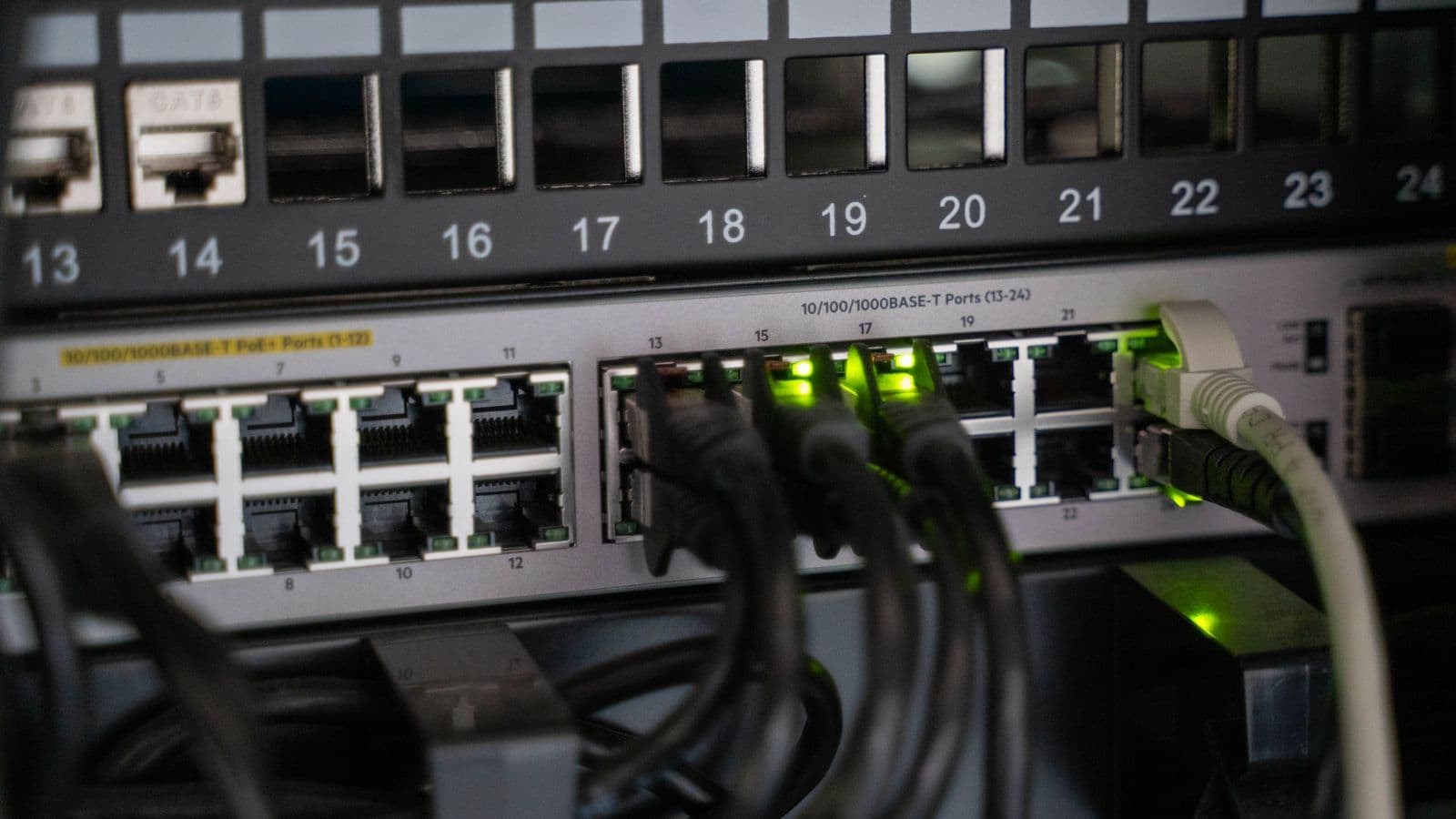
The Peppol access point explained: its real role on the network, its place in the four-corner model, your Belgian identifier and how you connect through it.

Sending an invoice via Peppol in practice: the prerequisites, what happens on the network, delivery confirmation and how YouInv handles it end to end.

Recurring billing: automate your subscriptions, stay compliant with the Belgian Peppol B2B mandate and collect payment automatically via SEPA direct debit.

SME cash flow management: how to track receipts, build a reliable forecast, steer working capital and payment terms without nasty surprises.

Reduce late payments in Belgium: legal payment terms, an effective reminder plan and automation to protect your SME's cash flow.

Archiving electronic invoices: which format to keep, the seven-year legal retention period and the conditions that give your invoices evidential value.

B2B payment terms in Belgium: what the law of 2 August 2002 requires, the 60-day cap, the 30-day default term and what a late payment costs the debtor.

Automated bank reconciliation: how structured communication and the CODA file match your payments to your invoices without manual data entry.

How long to keep invoices in Belgium: the ten-year legal retention period, when it starts, the special longer cases, and the rules for archiving e-invoices.

Mandatory invoice details in Belgium: the full list, the VAT number rule, the legal basis in the VAT Code and what changes with Peppol e-invoicing.
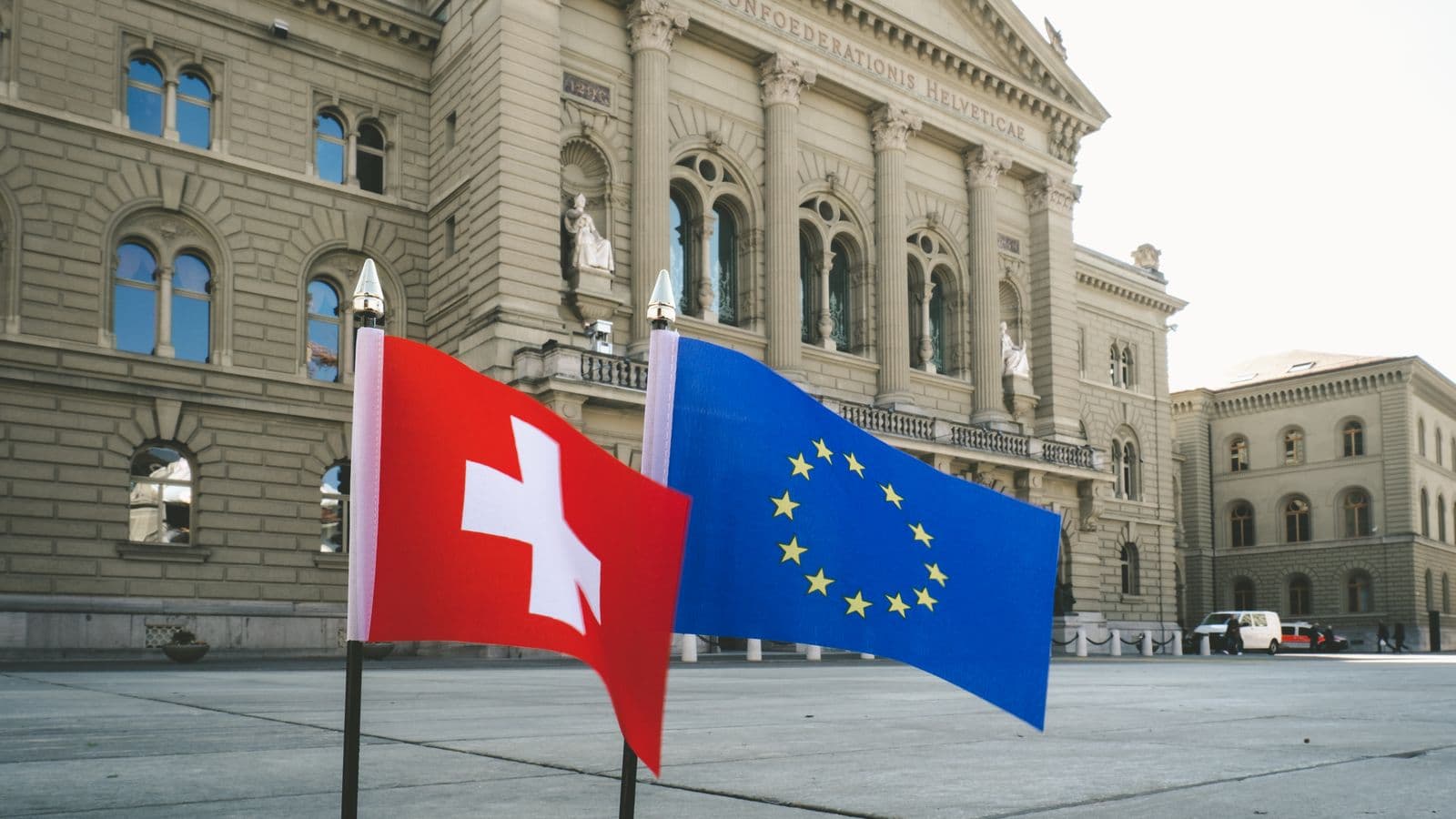
ViDA, the EU's VAT in the Digital Age reform: its three pillars, the timeline through 2035 and what it changes for Belgian businesses.
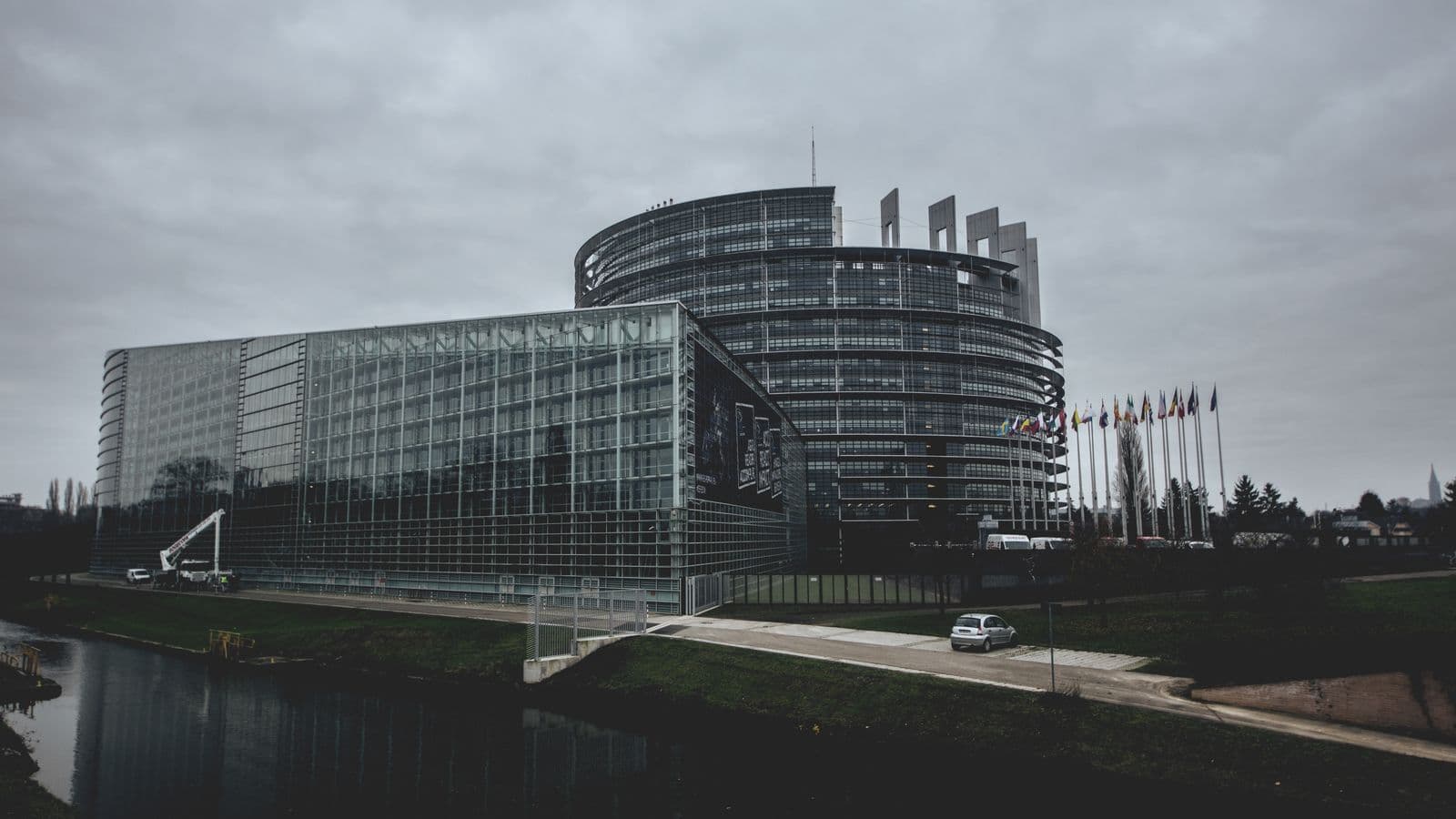
Directive 2014/55/EU explained: what it requires for e-invoicing in public procurement, how it relates to EN 16931 and Peppol, and who it affects.
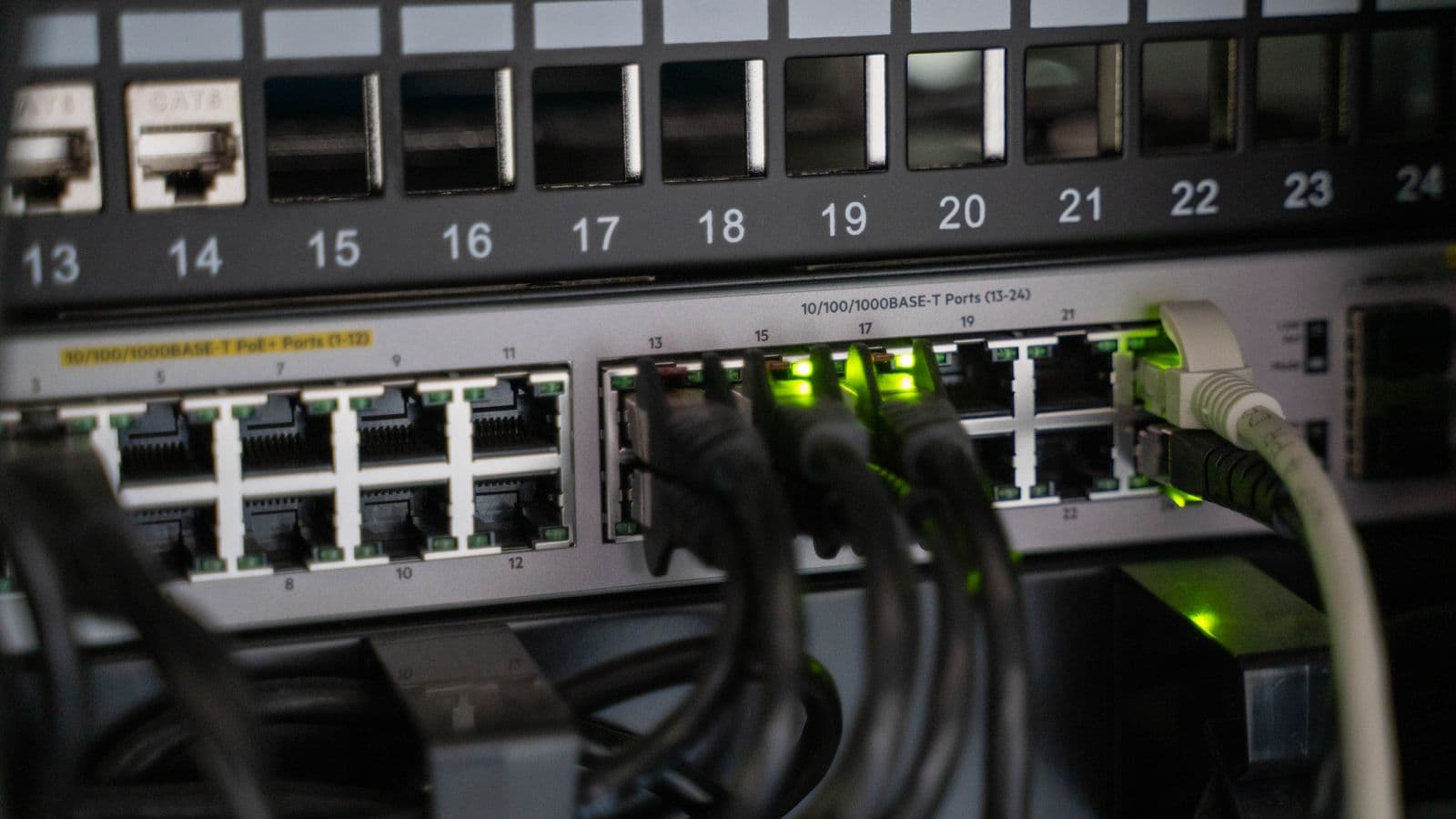
The Peppol four-corner model decoded: the role of each corner, how an invoice finds its recipient and what this design changes for you.

Peppol BIS Billing 3.0 decoded: what this invoice profile really requires, how it relates to EN 16931 and UBL 2.1, and what it changes for your invoices.

Switching to e-invoicing in Belgium: a step-by-step plan to connect to Peppol, choose a compliant tool and send your first structured invoice.

UBL 2.1 decoded: where it comes from, how a structured e-invoice is organised, and how it relates to EN 16931 and Peppol BIS Billing 3.0.

Automate SME accounting: what truly automates (Peppol, purchase invoices, bank reconciliation, VAT prep) and what still needs human judgement.

How the YouInv invoicing software automates Peppol sending and receiving, bank reconciliation via Ponto and Powens, and payment tracking for Belgian businesses.

How to choose Belgian accounting software in 2026: Peppol connectivity, EN 16931 compliance, bank reconciliation, VAT handling and support for SMEs.

How to choose e-invoicing software in Belgium: native Peppol access point, EN 16931 compliance, send and receive, VAT, integrations and support.

The most common SME invoicing mistakes in Belgium explained: mandatory mentions, numbering, payment terms, VAT errors and getting ready for e-invoicing.

Invoicing rules in Belgium: mandatory invoice details, issuance deadline, sequential numbering, retention and the structured e-invoice for SMEs.

An honest guide to free invoicing software in Belgium: what free plans cover, where the limits are, and whether they handle mandatory Peppol invoicing.

The PCMN, Belgium's standardised chart of accounts: what it is, its account-class structure, who must use it, and how it ties into your bookkeeping obligations.

Belgium Peppol mandate explained: the law of 6 February 2024, who is in scope, what is excluded and the Peppol BIS format required for B2B invoices.

Connecting to Peppol: the four-corner model, what a Peppol access point does, your Belgian participant ID, and the test send that confirms the connection.

Get ready for mandatory e-invoicing in Belgium: assess your flows, pick a Peppol-connected tool, clean client data, test and roll out step by step.

VAT and e-invoicing in Belgium: what really changes for deduction, mandatory details, reporting and archiving once B2B invoices become structured Peppol files.

The Peppol network explained simply: its four-corner model, the role of access points, and what it concretely changes for your invoices.